
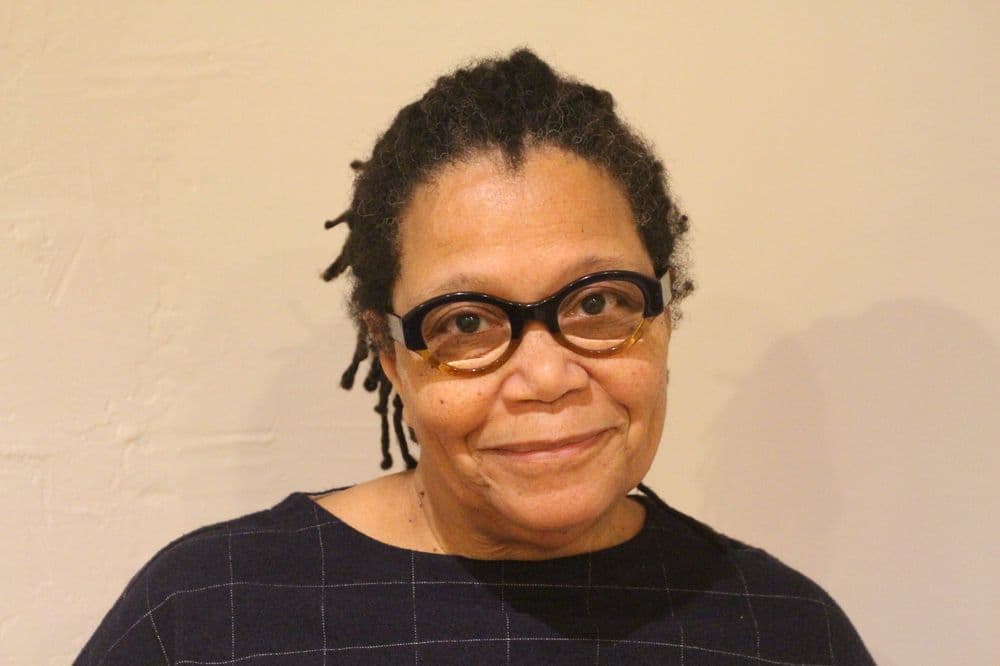
Linda Goode Bryant
RAW Académie is an experimental residential program for the research and study of artistic and curatorial practice and thought. The programme usually takes place over seven weeks in Dakar. It is dedicated to a dynamic reflection on artistic research, curatorial practice and critical writing. Two separate sessions are held each year in the spring and fall. Session 9 will be led by artist, writer, filmmaker and activist Linda Goode Bryant. It run from March 14th to April 29th, 2022. For centuries, the infrastructure that props up today’s global production and market for art has been based on a business model that adheres to the fundamental principles and values of material gain and worth. Despite changes in the ways cultures and art have evolved during that same period, this infrastructure has essentially remained the same. What if a different type of infrastructure were to be envisioned? One that is as antithetical as David Hammons’ Concerto in Black and Blue (2002) was to the relationship and expectations between artist and commercial gallery and to the core purpose and intent of the business of art? What if that infrastructure were based on a cultural or creative model? Would it adhere to principles and values shaped by its care for humanity? Could this infrastructure adequately and effectively support the life needs and creative practices of 21st century artists? How would it value art works and art makers? What would its structure, facilities, and operations need to be? Would art be discovered or happened upon by people going about their daily routines, such as with the wine bottle and snowball sales of David Hammons, or Senga Nengudi’s freeway performances, or Lorraine O’Grady’s Art Is? Would it offer public programs? Would its installation of art be contextual, like footnotes in a David Foster Wallace story, instead of disassociated from the time, circumstances and conditions when the work was made and where it is engaged? Would the purpose, roles and power of curators and critics, museums and galleries, dealers, collectors and the donor class change with regards to their relationship with art, artists and the public? What if the value of art was based on its human and social impact rather than its value as a commodity? Fundamentally, can we imagine infrastructure that would be permeable to and informed by methodologies of artistic practice itself, in a reversal of today’s prevailing, dominant model? What would it resemble if informed by the structure of Lawrence “Butch” Morris’ method of conduction, the visual cacophony of Arthur Jafa’s moving images, or the organizational logic of Janet Henry’s Black Currant magazines, to name but a few examples of artistic practices that generate a different type of infrastructural form.